
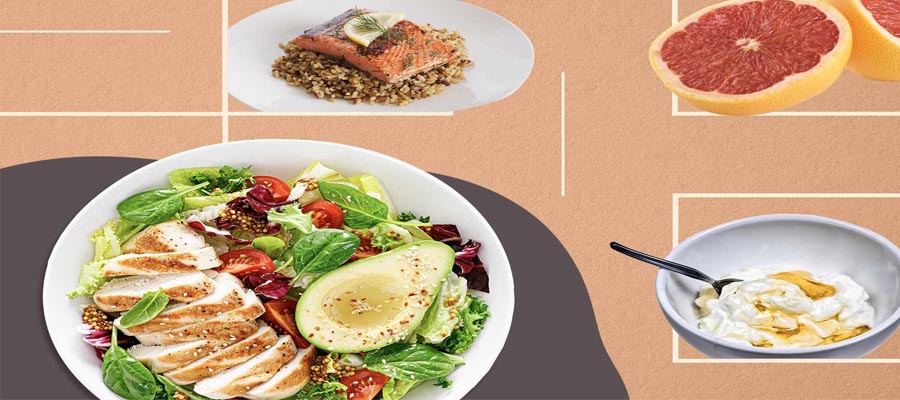
Healthy eating doesn’t have to be complicated or time-consuming. One of the most effective ways to maintain a nutritious diet is through meal planning. Meal planning involves preparing and organizing your meals in advance, helping you make healthier food choices, save time, reduce food waste, and stay on track with your health goals.
For beginners, meal planning may seem overwhelming at first. However, with a simple strategy and a little preparation, anyone can create balanced meals that support overall health and wellness. Whether your goal is weight management, improved nutrition, increased energy, or saving money, meal planning can help you achieve it.
In this guide, you’ll learn the basics of healthy meal planning and practical tips to get started.
What Is Meal Planning?
Meal planning is the process of deciding in advance what meals and snacks you will eat throughout the week. It helps ensure you have nutritious ingredients available and reduces the temptation to choose unhealthy convenience foods.
Benefits of Meal Planning
✔ Saves time during busy weekdays
✔ Reduces food waste
✔ Helps control portion sizes
✔ Supports healthy eating habits
✔ Saves money on groceries
✔ Makes weight management easier
✔ Reduces stress about daily meals
Why Meal Planning Is Important
Many people struggle with healthy eating because they make food decisions when they are hungry, tired, or busy. Meal planning removes the guesswork and helps you stay committed to your nutrition goals.
Common Challenges Meal Planning Solves
- Skipping meals
- Ordering fast food frequently
- Overspending on groceries
- Eating unbalanced meals
- Lack of variety in meals
Planning ahead creates structure and makes healthy choices easier.
Step 1: Set Your Nutrition Goals
Before creating a meal plan, identify your primary health goals.
Examples:
Weight Loss
Focus on portion control and nutrient-dense foods.
Muscle Building
Increase protein intake and consume balanced meals.
General Health
Include a variety of fruits, vegetables, whole grains, and lean proteins.
Increased Energy
Prioritize complex carbohydrates and balanced meals.
Understanding your goals helps guide your meal choices.
Step 2: Build Balanced Meals
A healthy meal should contain a balance of essential nutrients.
The Balanced Plate Method
50% Vegetables and Fruits
Provide vitamins, minerals, and fiber.
Examples:
- Broccoli
- Spinach
- Carrots
- Apples
- Oranges
25% Lean Protein
Supports muscle growth and repair.
Examples:
- Chicken
- Fish
- Eggs
- Lentils
- Tofu
25% Whole Grains
Provide sustained energy.
Examples:
- Brown rice
- Oats
- Quinoa
- Whole wheat bread
Healthy Fats
Include small portions of:
- Nuts
- Seeds
- Avocados
- Olive oil
Step 3: Plan Your Weekly Menu
Creating a weekly menu helps you stay organized.
Example Weekly Structure
Monday
- Breakfast: Oatmeal with fruits
- Lunch: Grilled chicken salad
- Dinner: Brown rice with vegetables
Tuesday
- Breakfast: Greek yogurt with berries
- Lunch: Lentil soup
- Dinner: Grilled fish with vegetables
Wednesday
- Breakfast: Vegetable omelet
- Lunch: Quinoa bowl
- Dinner: Whole wheat pasta with vegetables
Repeat the process for the remaining days of the week.
Step 4: Create a Grocery List
A grocery list helps prevent unnecessary purchases and ensures you have everything needed for your meals.
Sample Grocery Categories
Fruits
- Apples
- Bananas
- Oranges
- Berries
Vegetables
- Spinach
- Broccoli
- Carrots
- Tomatoes
Proteins
- Eggs
- Chicken
- Fish
- Lentils
Whole Grains
- Oats
- Brown rice
- Whole wheat bread
Healthy Fats
- Almonds
- Walnuts
- Olive oil
Shopping with a list saves both time and money.
Step 5: Prepare Meals in Advance
Meal preparation is one of the keys to successful meal planning.
Easy Meal Prep Tips
- Wash and chop vegetables ahead of time
- Cook grains in batches
- Prepare proteins for several meals
- Store meals in airtight containers
- Portion meals for easy access
Even preparing ingredients in advance can make healthy eating much easier.
Healthy Breakfast Ideas
Oatmeal with Fruits and Nuts
Provides fiber, vitamins, and healthy fats.
Greek Yogurt Parfait
Rich in protein and probiotics.
Vegetable Omelet
Packed with protein and nutrients.
Smoothie Bowl
Contains fruits, seeds, and yogurt.
Healthy Lunch Ideas
Grilled Chicken Salad
Rich in protein and vegetables.
Quinoa Bowl
Includes vegetables, beans, and healthy fats.
Lentil Soup
High in protein and fiber.
Whole Wheat Wrap
Filled with lean protein and fresh vegetables.
Healthy Dinner Ideas
Grilled Fish with Vegetables
Provides protein and omega-3 fatty acids.
Brown Rice and Stir-Fried Vegetables
A balanced and nutritious meal.
Chicken and Vegetable Soup
Light yet filling.
Tofu Stir-Fry
Excellent plant-based protein option.
Smart Snack Ideas
Healthy snacks help maintain energy levels between meals.
Nutritious Snack Options
- Fresh fruit
- Mixed nuts
- Yogurt
- Carrot sticks
- Hummus
- Boiled eggs
- Whole grain crackers
Avoid highly processed snacks whenever possible.
Portion Control Tips
Eating healthy foods is important, but portion sizes also matter.
Simple Portion Guidelines
✔ Use smaller plates
✔ Fill half your plate with vegetables
✔ Measure serving sizes initially
✔ Eat slowly and mindfully
✔ Avoid eating directly from packages
Portion awareness can help prevent overeating.
Common Meal Planning Mistakes to Avoid
Making Plans Too Complicated
Start simple and gradually expand.
Not Including Variety
Eating the same foods repeatedly can become boring.
Skipping Snacks
Can lead to excessive hunger later.
Ignoring Personal Preferences
Choose foods you genuinely enjoy.
Not Preparing Enough Food
Batch cooking can save significant time.
Benefits of Healthy Meal Planning
✔ Better nutrition
✔ Improved energy levels
✔ Reduced stress
✔ Saves time
✔ Saves money
✔ Supports weight management
✔ Reduces food waste
✔ Encourages healthier habits
Beginner’s 7-Day Meal Planning Checklist
✓ Choose healthy recipes
✓ Create a grocery list
✓ Shop for ingredients
✓ Prepare meals in advance
✓ Store meals properly
✓ Stay hydrated
✓ Review and adjust your plan weekly
Healthy meal planning is one of the most effective strategies for improving nutrition and maintaining a healthy lifestyle. By planning meals ahead, shopping with purpose, and preparing nutritious foods in advance, you can save time, reduce stress, and make healthier choices every day.
Start small by planning just a few meals each week. As you gain confidence, meal planning will become a natural part of your routine and help you achieve your long-term health goals.