
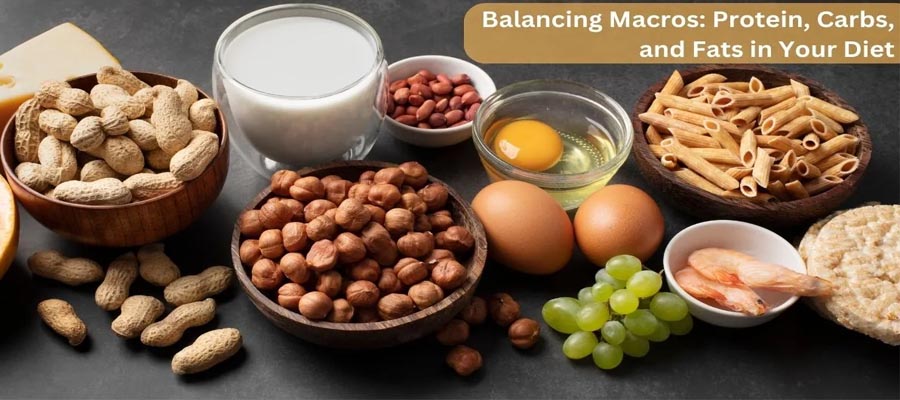
When it comes to healthy eating and proper nutrition, understanding macronutrients is essential. Macronutrients are the nutrients your body needs in large amounts to provide energy, support growth, and maintain overall health. Every meal you eat contains a combination of macronutrients, and balancing them properly can help you achieve your health and fitness goals.
The three primary macronutrients are:
✔ Protein
✔ Carbohydrates
✔ Fats
Each macronutrient plays a unique role in keeping your body functioning efficiently. Whether your goal is weight loss, muscle gain, improved athletic performance, or overall wellness, understanding how these nutrients work can help you make better dietary choices.
What Are Macronutrients?
Macronutrients are nutrients required by the body in relatively large amounts.
Main Functions
- Provide energy
- Support growth and development
- Maintain body functions
- Repair tissues
- Support hormone production
Unlike vitamins and minerals, which are needed in smaller quantities, macronutrients make up the majority of your daily food intake.
The Three Macronutrients
1. Protein
Protein is often called the building block of the body because it helps build, repair, and maintain tissues.
Why Protein Is Important
Protein supports:
✔ Muscle growth
✔ Tissue repair
✔ Immune function
✔ Hormone production
✔ Enzyme production
✔ Healthy skin, hair, and nails
Every cell in the body contains protein, making it essential for overall health.
How Protein Works
When you consume protein-rich foods, your body breaks them down into amino acids.
Amino Acids Help:
- Build muscle tissue
- Repair damaged cells
- Produce hormones
- Support immune health
There are 20 amino acids, including 9 essential amino acids that must come from food.
Best Sources of Protein
Animal Sources
- Chicken
- Turkey
- Fish
- Eggs
- Greek yogurt
- Milk
Plant Sources
- Lentils
- Chickpeas
- Beans
- Tofu
- Tempeh
- Quinoa
Benefits of Protein
✔ Supports muscle growth
✔ Helps maintain fullness
✔ Supports metabolism
✔ Aids recovery after exercise
✔ Supports healthy aging
Daily Protein Needs
General recommendation:
Adults
0.8–1 gram per kilogram of body weight
Active Individuals
1.2–2 grams per kilogram
Requirements vary depending on activity level and goals.
2. Carbohydrates
Carbohydrates are the body’s primary source of energy.
Despite negative attention from some fad diets, carbohydrates are essential for proper body function.
How Carbohydrates Work
When consumed, carbohydrates are broken down into glucose (sugar).
Glucose provides energy for:
- Brain function
- Muscle activity
- Daily movement
- Organ function
Any excess glucose can be stored as glycogen for later use.
Types of Carbohydrates
Simple Carbohydrates
Digested quickly and provide rapid energy.
Examples:
- Fruit
- Honey
- Milk
- Sugar
Complex Carbohydrates
Digested more slowly and provide sustained energy.
Examples:
- Brown rice
- Oats
- Quinoa
- Whole wheat bread
- Sweet potatoes
Complex carbohydrates are generally the healthier choice.
Best Sources of Healthy Carbohydrates
Whole Grains
- Oats
- Brown rice
- Whole wheat bread
- Quinoa
Fruits
- Apples
- Bananas
- Oranges
- Berries
Vegetables
- Sweet potatoes
- Corn
- Peas
- Carrots
Legumes
- Lentils
- Beans
- Chickpeas
Benefits of Carbohydrates
✔ Primary energy source
✔ Supports brain function
✔ Improves exercise performance
✔ Provides dietary fiber
✔ Supports digestive health
Signs You May Need More Carbohydrates
- Low energy
- Difficulty concentrating
- Poor exercise performance
- Increased fatigue
Choosing nutrient-rich carbohydrate sources helps support overall wellness.
3. Fats
Fats often receive a negative reputation, but healthy fats are essential for good health.
Your body needs fats for many important functions.
Functions of Healthy Fats
✔ Hormone production
✔ Brain function
✔ Cell health
✔ Nutrient absorption
✔ Energy storage
✔ Protection of organs
Healthy fats should be included in a balanced diet.
Types of Fats
Unsaturated Fats (Healthy Fats)
These fats support heart health.
Sources:
- Avocados
- Olive oil
- Nuts
- Seeds
- Fatty fish
Saturated Fats
Should be consumed in moderation.
Sources:
- Butter
- Cheese
- Fatty meats
Trans Fats
Generally considered unhealthy and should be limited.
Sources:
- Some processed foods
- Commercial baked goods
Best Sources of Healthy Fats
Nuts
- Almonds
- Walnuts
- Pistachios
Seeds
- Chia seeds
- Flaxseeds
- Pumpkin seeds
Healthy Oils
- Olive oil
- Avocado oil
Fatty Fish
- Salmon
- Sardines
- Mackerel
Benefits of Healthy Fats
✔ Supports heart health
✔ Promotes brain function
✔ Reduces inflammation
✔ Helps absorb vitamins A, D, E, and K
✔ Supports hormone balance
Calories in Macronutrients
Each macronutrient provides a specific number of calories per gram.
| Macronutrient | Calories Per Gram |
|---|---|
| Protein | 4 Calories |
| Carbohydrates | 4 Calories |
| Fat | 9 Calories |
Because fat contains more calories per gram, portion control remains important.
How Macronutrients Work Together
A healthy meal should contain all three macronutrients.
Example Balanced Meal
Grilled Chicken
Provides protein
Brown Rice
Provides carbohydrates
Avocado
Provides healthy fats
Vegetables
Provide fiber, vitamins, and minerals
Together, these nutrients support energy, fullness, and overall health.
Sample Balanced Meal Plan
Breakfast
- Oatmeal
- Greek yogurt
- Almonds
Macronutrients
Protein + Carbs + Healthy Fats
Lunch
- Grilled chicken
- Brown rice
- Mixed vegetables
Macronutrients
Protein + Carbs + Fiber
Snack
- Apple
- Peanut butter
Macronutrients
Carbs + Healthy Fats
Dinner
- Salmon
- Sweet potato
- Broccoli
Macronutrients
Protein + Carbs + Healthy Fats
Macronutrients and Weight Management
For Weight Loss
Focus on:
✔ High protein
✔ Fiber-rich carbohydrates
✔ Healthy fats in moderation
✔ Portion control
For Muscle Gain
Increase:
✔ Protein intake
✔ Complex carbohydrates
✔ Overall calorie intake
For General Health
Aim for balanced meals that include all three macronutrients.
Common Macronutrient Myths
Myth: Carbs Make You Gain Weight
Reality:
Excess calories from any source can contribute to weight gain.
Myth: Fat Is Bad
Reality:
Healthy fats are essential for overall health.
Myth: More Protein Is Always Better
Reality:
Protein is important, but balance matters.
Myth: You Must Eliminate One Macronutrient
Reality:
Most people benefit from including all three macronutrients in appropriate amounts.
Benefits of Understanding Macronutrients
✔ Better nutrition choices
✔ Improved energy levels
✔ Easier weight management
✔ Better workout performance
✔ Increased muscle recovery
✔ Improved overall health
✔ Better long-term wellness
Macronutrient Checklist
✓ Include protein in every meal
✓ Choose whole-food carbohydrates
✓ Consume healthy fats daily
✓ Eat plenty of fruits and vegetables
✓ Stay hydrated
✓ Practice portion control
✓ Focus on balanced meals
Protein, carbohydrates, and fats are the foundation of a healthy diet. Each macronutrient plays a unique and important role in supporting energy production, muscle growth, brain function, hormone balance, and overall well-being.
Rather than eliminating any one macronutrient, focus on creating balanced meals that include quality sources of protein, healthy carbohydrates, and beneficial fats. Understanding macronutrients empowers you to make smarter food choices and build a sustainable eating pattern that supports your health goals.
A balanced diet isn’t about restriction—it’s about giving your body the nutrients it needs to thrive.