
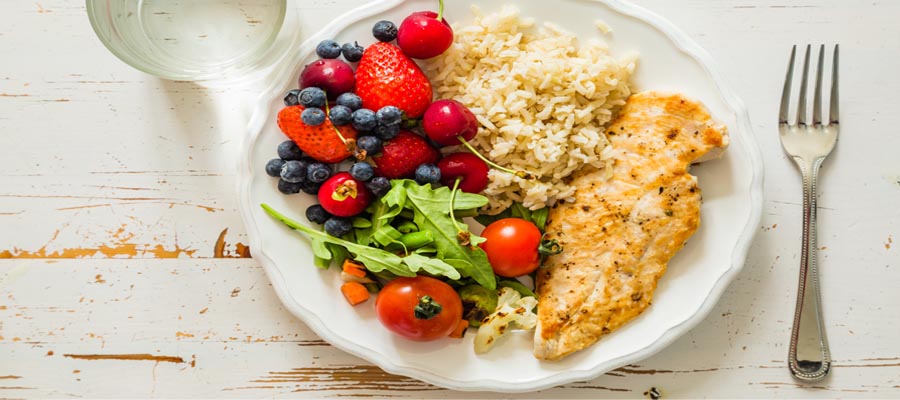
Healthy eating is not only about choosing nutritious foods but also about eating the right amount. Even healthy foods can contribute to weight gain and other health issues when consumed in excessive quantities. This is where portion control becomes important.
Portion control refers to managing the amount of food you eat during meals and snacks. It helps prevent overeating, supports weight management, improves digestion, and encourages mindful eating habits. Learning how to control portions doesn’t mean depriving yourself of your favorite foods—it means enjoying them in moderation while maintaining a balanced diet.
In this article, we’ll explore practical portion control tips that can help you develop healthier eating habits and achieve your wellness goals.
What Is Portion Control?
A portion is the amount of food you choose to eat at one time.
A serving, on the other hand, is a standardized amount recommended by nutrition guidelines.
Many people unknowingly consume portions that are much larger than recommended serving sizes, leading to excess calorie intake.
Benefits of Portion Control
✔ Supports healthy weight management
✔ Prevents overeating
✔ Improves digestion
✔ Helps regulate blood sugar levels
✔ Encourages mindful eating
✔ Reduces food waste
Why Portion Control Matters
Modern food portions have increased significantly over the years.
Large restaurant meals, oversized snacks, and buffet-style dining often encourage people to eat more than their bodies need.
Common Problems Caused by Oversized Portions
- Weight gain
- Digestive discomfort
- Increased calorie intake
- Higher risk of obesity
- Elevated blood sugar levels
Learning portion control can help maintain a balanced and healthy lifestyle.
1. Use Smaller Plates and Bowls
One of the simplest ways to control portions is by using smaller dishes.
Why It Works
A smaller plate makes a moderate portion appear larger, helping you feel satisfied with less food.
Benefits
✔ Reduces overeating
✔ Encourages mindful eating
✔ Easy to implement
Tip
Use:
- 8–9 inch plates instead of larger dinner plates
- Small bowls for snacks
2. Follow the Healthy Plate Method
A balanced plate helps control portions while ensuring proper nutrition.
Fill Your Plate Like This
Half the Plate
Vegetables and fruits
Examples:
- Broccoli
- Carrots
- Spinach
- Salad
- Fruits
One-Quarter of the Plate
Lean protein
Examples:
- Chicken
- Fish
- Eggs
- Lentils
- Tofu
One-Quarter of the Plate
Whole grains
Examples:
- Brown rice
- Quinoa
- Whole wheat pasta
This method naturally helps manage calorie intake.
3. Eat Slowly
Eating too quickly often leads to overeating because the brain needs time to recognize fullness.
Benefits of Slower Eating
✔ Better digestion
✔ Increased satisfaction
✔ Reduced calorie intake
✔ Improved awareness of hunger signals
Tip
Try putting your fork down between bites and chewing thoroughly.
4. Measure Portions Initially
When starting your portion control journey, measuring food can be helpful.
Useful Measuring Tools
- Measuring cups
- Kitchen scale
- Portion containers
Examples
- 1 cup cooked rice
- 100–150g lean protein
- 1 tablespoon peanut butter
Over time, you’ll become better at estimating portions visually.
5. Avoid Eating Directly from Packages
Many people unknowingly consume large amounts of food when eating directly from bags or containers.
Better Approach
- Place snacks in a bowl
- Pre-portion servings
- Store remaining food away
This simple habit can significantly reduce overeating.
6. Include Protein in Every Meal
Protein helps increase satiety and keeps you feeling full longer.
Healthy Protein Sources
- Eggs
- Fish
- Chicken
- Greek yogurt
- Beans
- Lentils
- Tofu
Benefits
✔ Reduced hunger
✔ Better muscle maintenance
✔ Supports weight management
7. Drink Water Before Meals
Sometimes thirst can be mistaken for hunger.
Benefits
✔ Helps control appetite
✔ Supports digestion
✔ Promotes hydration
Recommendation
Drink a glass of water 20–30 minutes before meals.
8. Be Mindful of High-Calorie Foods
Healthy foods can still be calorie-dense.
Foods to Enjoy in Moderation
- Nuts
- Nut butters
- Cheese
- Avocados
- Oils
- Dried fruits
These foods provide valuable nutrients but should be consumed in appropriate portions.
9. Limit Distractions While Eating
Eating while watching TV, scrolling on your phone, or working can lead to mindless overeating.
Practice Mindful Eating
✔ Focus on your meal
✔ Enjoy flavors and textures
✔ Recognize hunger and fullness cues
Benefits
- Better portion awareness
- Increased meal satisfaction
- Reduced overeating
10. Plan Your Meals and Snacks
Planning helps prevent impulsive eating decisions.
Meal Planning Benefits
✔ Better portion control
✔ Healthier food choices
✔ Reduced stress
✔ Supports nutrition goals
Healthy Snack Ideas
- Apple slices
- Greek yogurt
- Mixed nuts
- Carrot sticks
- Boiled eggs
Visual Portion Guide
You can estimate portions using your hand:
Protein
Size of your palm
Examples:
- Chicken breast
- Fish
- Tofu
Carbohydrates
Size of your cupped hand
Examples:
- Rice
- Pasta
- Potatoes
Healthy Fats
Size of your thumb
Examples:
- Peanut butter
- Olive oil
Vegetables
Two cupped hands
Examples:
- Salad
- Broccoli
- Mixed vegetables
This method is convenient when measuring tools aren’t available.
Common Portion Control Mistakes
Skipping Meals
May lead to overeating later in the day.
Eating Too Fast
Makes it difficult to recognize fullness.
Oversized Restaurant Portions
Restaurant meals are often much larger than necessary.
Tip
Share meals or save half for later.
Ignoring Hunger Signals
Learn to eat when hungry and stop when satisfied.
Sample Portion-Controlled Meal Plan
Breakfast
- Vegetable omelet
- Whole wheat toast
- Fruit
Lunch
- Grilled chicken
- Brown rice
- Mixed vegetables
Snack
- Greek yogurt
- Handful of almonds
Dinner
- Baked fish
- Steamed vegetables
- Small serving of quinoa
This approach provides balanced nutrition while controlling calories.
Benefits of Portion Control
✔ Healthy weight management
✔ Improved digestion
✔ Better blood sugar control
✔ Reduced overeating
✔ Increased energy levels
✔ Better relationship with food
✔ Supports long-term health goals
Portion Control Checklist
✓ Use smaller plates
✓ Follow the healthy plate method
✓ Eat slowly
✓ Drink water before meals
✓ Include protein in meals
✓ Avoid eating from packages
✓ Limit distractions
✓ Plan meals ahead
✓ Practice mindful eating
✓ Listen to hunger cues
Portion control is one of the most effective strategies for maintaining a healthy diet and achieving long-term wellness goals. By paying attention to serving sizes, eating mindfully, and making balanced food choices, you can enjoy your favorite foods while supporting a healthy lifestyle.
Remember, healthy eating is not about restriction—it’s about balance and moderation. Small changes in portion sizes can lead to significant improvements in your health over time.