
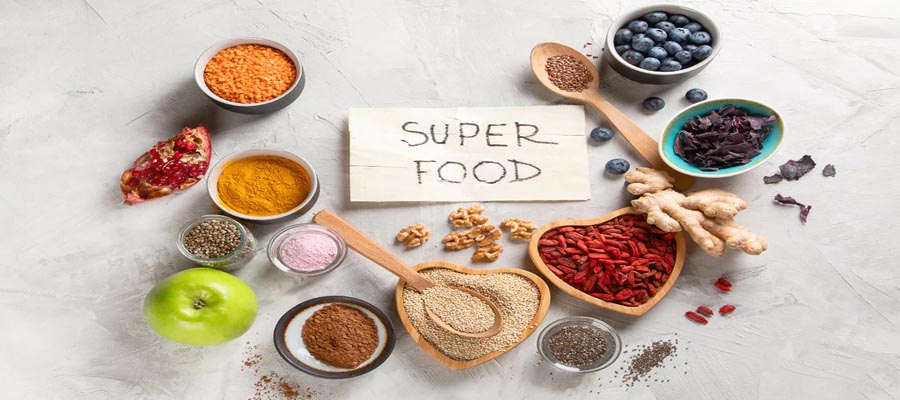
The food choices you make every day have a significant impact on your overall health and well-being. While no single food can provide all the nutrients your body needs, certain foods are exceptionally rich in vitamins, minerals, antioxidants, fiber, and healthy fats. These nutrient-dense foods are often referred to as superfoods.
Superfoods can help strengthen the immune system, improve heart health, boost energy levels, support digestion, and reduce the risk of chronic diseases. Incorporating these foods into your daily diet is a simple way to improve your nutrition and promote long-term wellness.
In this article, we’ll explore some of the best superfoods you should consider adding to your diet and the unique health benefits they offer.
What Are Superfoods?
Superfoods are foods that provide exceptionally high amounts of nutrients relative to their calorie content.
Common Characteristics of Superfoods
✔ Rich in vitamins and minerals
✔ High in antioxidants
✔ Good source of fiber
✔ Contain healthy fats
✔ Support overall health
✔ May help prevent diseases
While superfoods can be beneficial, they work best when included as part of a balanced and healthy diet.
1. Blueberries
Blueberries are often called a nutritional powerhouse due to their high antioxidant content.
Nutrients Found in Blueberries
- Vitamin C
- Vitamin K
- Fiber
- Antioxidants
Health Benefits
✔ Supports brain health
✔ Promotes heart health
✔ Helps fight inflammation
✔ Supports healthy aging
Easy Ways to Eat
- Add to smoothies
- Mix with yogurt
- Sprinkle over oatmeal
- Enjoy as a snack
2. Spinach
Spinach is one of the most nutrient-dense leafy green vegetables available.
Rich In
- Iron
- Vitamin A
- Vitamin C
- Vitamin K
- Folate
Health Benefits
✔ Supports eye health
✔ Strengthens immunity
✔ Promotes healthy skin
✔ Supports bone health
Serving Ideas
- Salads
- Smoothies
- Soups
- Stir-fries
3. Salmon
Salmon is an excellent source of protein and omega-3 fatty acids.
Key Nutrients
- Omega-3 fats
- Protein
- Vitamin D
- Selenium
Health Benefits
✔ Supports heart health
✔ Improves brain function
✔ Reduces inflammation
✔ Supports muscle health
Recommendation
Consume fatty fish at least twice per week.
4. Chia Seeds
Despite their small size, chia seeds are packed with nutrients.
Nutritional Highlights
- Fiber
- Protein
- Omega-3 fatty acids
- Calcium
Health Benefits
✔ Supports digestion
✔ Helps maintain fullness
✔ Promotes heart health
✔ Supports bone strength
Easy Uses
- Smoothies
- Yogurt
- Oatmeal
- Puddings
5. Avocados
Avocados provide healthy fats and important vitamins.
Rich In
- Healthy monounsaturated fats
- Potassium
- Fiber
- Vitamin E
Health Benefits
✔ Supports heart health
✔ Helps maintain healthy cholesterol levels
✔ Supports brain function
✔ Promotes satiety
Serving Suggestions
- Toast
- Salads
- Smoothies
- Sandwiches
6. Greek Yogurt
Greek yogurt contains protein and beneficial probiotics.
Nutritional Benefits
- High protein
- Calcium
- Probiotics
Health Benefits
✔ Supports gut health
✔ Strengthens bones
✔ Helps with muscle recovery
✔ Supports weight management
Healthy Pairings
- Berries
- Nuts
- Seeds
- Honey
7. Broccoli
Broccoli is one of the healthiest vegetables you can eat.
Rich In
- Vitamin C
- Fiber
- Antioxidants
- Vitamin K
Health Benefits
✔ Supports immune function
✔ Promotes digestive health
✔ Supports bone health
✔ Helps reduce inflammation
Best Cooking Methods
- Steaming
- Roasting
- Stir-frying
8. Almonds
Almonds are nutrient-rich nuts that make an excellent snack.
Nutrients
- Protein
- Healthy fats
- Vitamin E
- Magnesium
Health Benefits
✔ Supports heart health
✔ Helps control hunger
✔ Provides long-lasting energy
✔ Supports brain function
Portion Recommendation
A small handful daily.
9. Sweet Potatoes
Sweet potatoes are rich in complex carbohydrates and essential nutrients.
Rich In
- Vitamin A
- Fiber
- Potassium
- Antioxidants
Health Benefits
✔ Supports eye health
✔ Provides sustained energy
✔ Supports digestion
✔ Promotes immune health
Healthy Preparation
- Baked
- Roasted
- Mashed
10. Green Tea
Green tea is widely known for its antioxidant properties.
Key Compounds
- Catechins
- Antioxidants
- Natural caffeine
Health Benefits
✔ Supports metabolism
✔ Improves focus
✔ Promotes heart health
✔ Helps fight oxidative stress
Recommendation
1–3 cups daily as part of a balanced diet.
11. Turmeric
Turmeric contains curcumin, a powerful antioxidant and anti-inflammatory compound.
Benefits
✔ Supports joint health
✔ Reduces inflammation
✔ Supports immune function
✔ Promotes overall wellness
Ways to Use
- Curries
- Soups
- Smoothies
- Herbal drinks
12. Oats
Oats are a whole grain packed with fiber and essential nutrients.
Nutritional Benefits
- Soluble fiber
- Protein
- Magnesium
- Iron
Health Benefits
✔ Supports heart health
✔ Helps control cholesterol
✔ Promotes fullness
✔ Provides sustained energy
Best Uses
- Oatmeal
- Smoothies
- Healthy baking
Sample Superfood Meal Plan
Breakfast
- Oatmeal with blueberries and chia seeds
- Green tea
Mid-Morning Snack
- Greek yogurt with almonds
Lunch
- Grilled salmon
- Spinach salad
- Sweet potato
Evening Snack
- Fresh fruit and nuts
Dinner
- Broccoli stir-fry
- Lean protein source
- Mixed vegetables
This meal plan incorporates several superfoods into one day of healthy eating.
Tips for Adding Superfoods to Your Diet
Start Small
Introduce one or two superfoods at a time.
Focus on Variety
Different superfoods provide different nutrients.
Include Them Daily
Small daily servings can provide long-term benefits.
Combine with Balanced Meals
Superfoods work best as part of an overall healthy diet.
Stay Consistent
Long-term healthy eating habits produce the greatest results.
Common Myths About Superfoods
Myth: One Superfood Can Solve All Health Problems
Reality:
No single food can provide complete nutrition.
Myth: Superfoods Are Expensive
Reality:
Many affordable foods such as oats, spinach, and sweet potatoes qualify as superfoods.
Myth: You Need Exotic Ingredients
Reality:
Many everyday foods offer exceptional nutritional value.
Benefits of Including Superfoods in Your Diet
✔ Stronger immune system
✔ Better heart health
✔ Improved digestion
✔ Increased energy levels
✔ Better brain function
✔ Reduced inflammation
✔ Healthier skin
✔ Long-term disease prevention
Superfoods are a valuable addition to a healthy diet because they provide concentrated amounts of essential nutrients that support overall wellness. Foods such as blueberries, spinach, salmon, chia seeds, avocados, broccoli, and oats can help improve energy levels, strengthen immunity, support heart health, and enhance quality of life.
The key is not to rely on a single superfood but to include a variety of nutrient-rich foods in your daily meals. By making small, consistent improvements to your diet, you can enjoy lasting health benefits and build a stronger foundation for lifelong wellness.